
آیا جرمگیری دندان به مینای دندان آسیب میزند؟ This question is one of the most common concerns of patients before going to the dentist. Scaling is a specialized method to remove plaque and hardened deposits from the surface of the teeth and around the gums. Knowing how scaling works and its effect on tooth enamel helps to make an informed decision and maintain oral health.
What is tooth scaling and how is it different from regular cleaning?

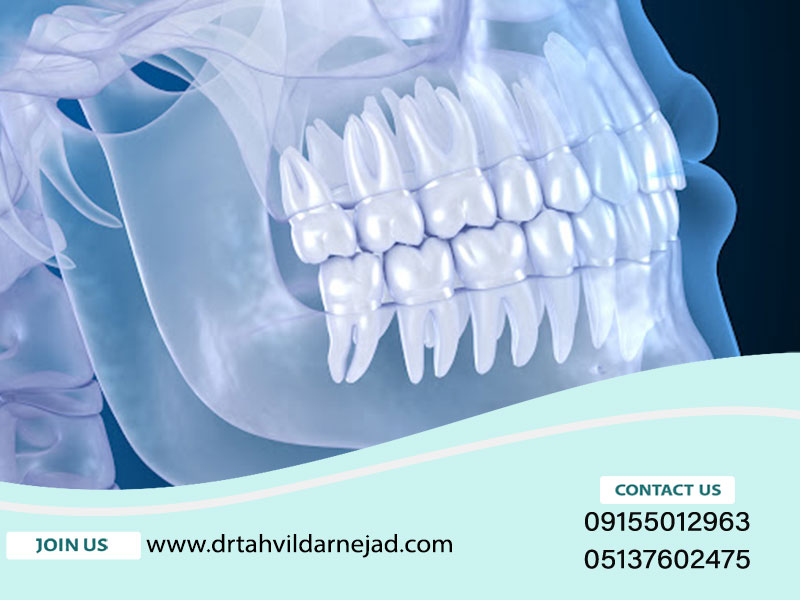
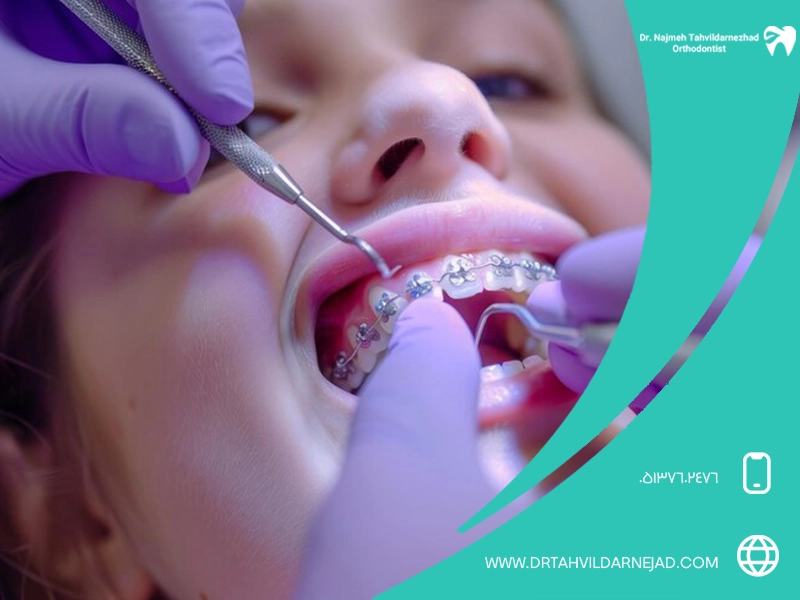
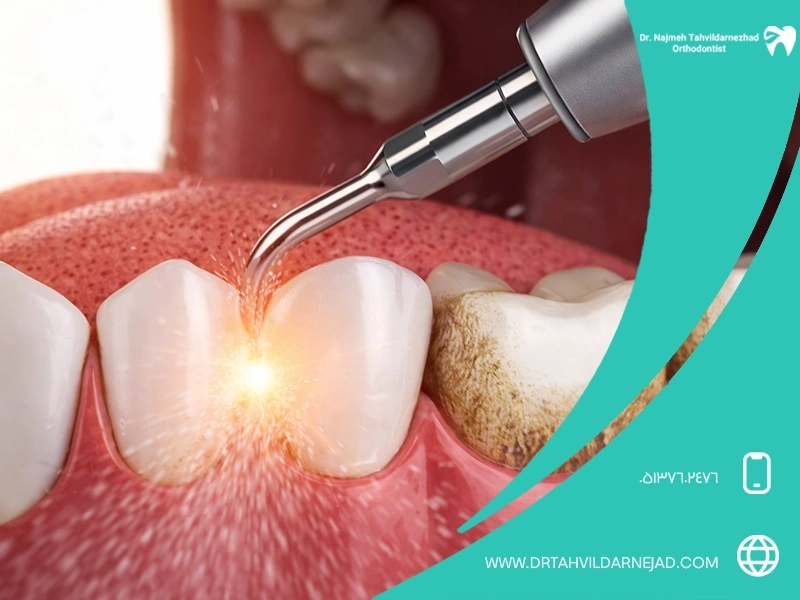
Teeth scaling is a specialized dental treatment that should be performed by an expert in teeth scaling in Mashhad, to remove hardened deposits (Calculus) and Microbial plaque should be done from the tooth surface and areas below the gum line. Unlike brushing and flossing, which only remove soft plaque, scaling is able to remove mineralized plaque that is attached to tooth enamel. This is done with manual tools (Scaler) or ultrasonic devices that remove the mass with controlled vibration without damaging the tooth structure. Scaling plays an important role in preventing gingivitis, bone loss and advanced periodontal diseases.
Why do teeth get plaque and what factors aggravate it?
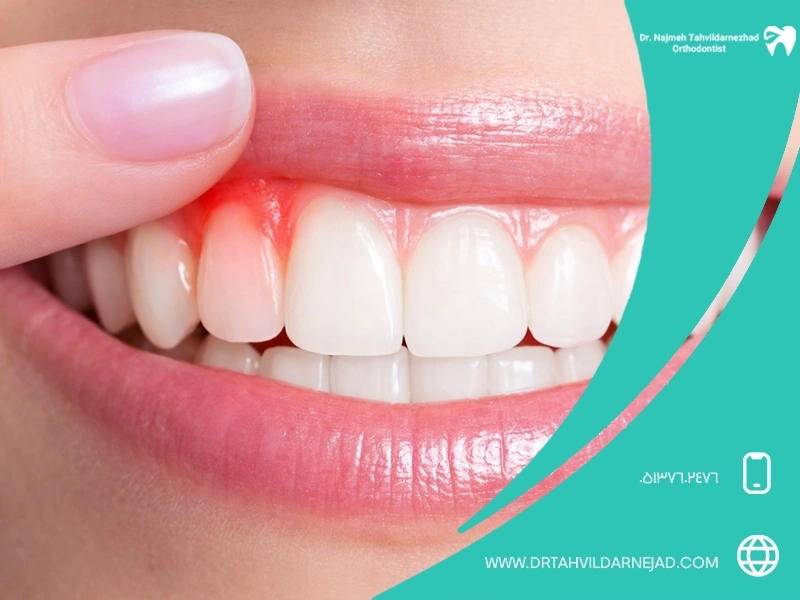
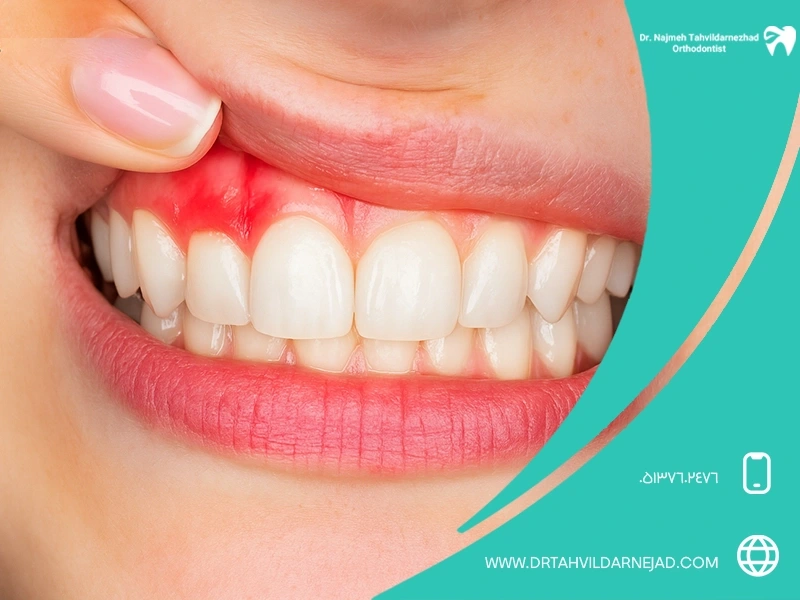
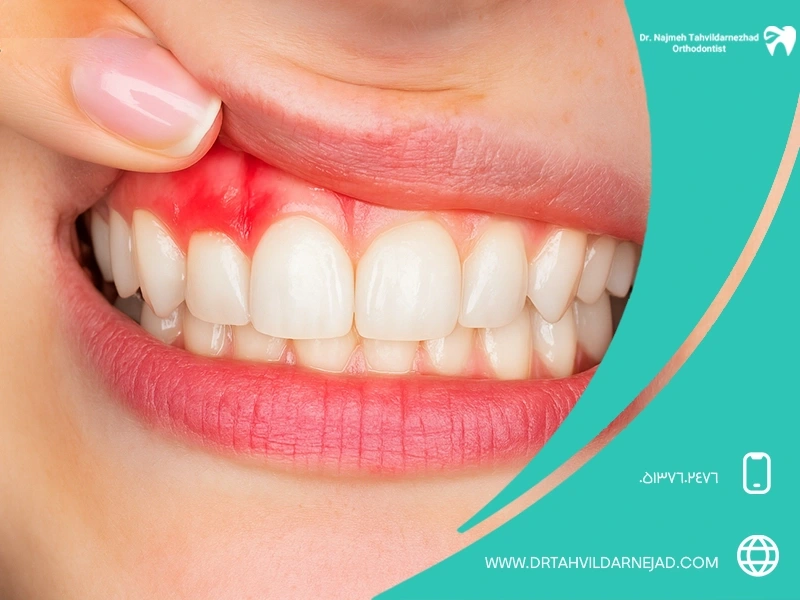
Tooth decay is the result of remaining microbial plaque on the tooth, which, if not cleaned, combines with the salts in the saliva and hardens. The most important cause of scaling is poor oral and dental hygiene, but factors such as saliva rich in salts, smoking, colored drinks, high-sugar diet and irregular brushing also play an important role. Mass accumulation is usually seen behind the lower teeth and around the gums. If the plaque is not removed in time, it creates a suitable environment for the growth of bacteria, which can cause inflammation of the gums, bleeding, bad breath, and eventually damage the tissues that support the teeth.Does dental scaling damage tooth enamel? Scientific and expert review
One of the most common concerns is that scaling causes tooth enamel to thin or scratch, but this belief is scientifically incorrect. Tooth enamel is the hardest tissue in the body, and scaling tools are designed to remove plaque, not grind away enamel. What some people feel as "damage" is temporary roughness or tooth sensitivity caused by the removal of plaque that covered the surface of the tooth. In fact, remaining mass is much more dangerous and can cause decay, gum inflammation and bone loss. Basic scaling by the dentist not only does not damage the enamel, but also maintains its health.
Read more» Correct ways of brushing teeth from Dental expert's opinion
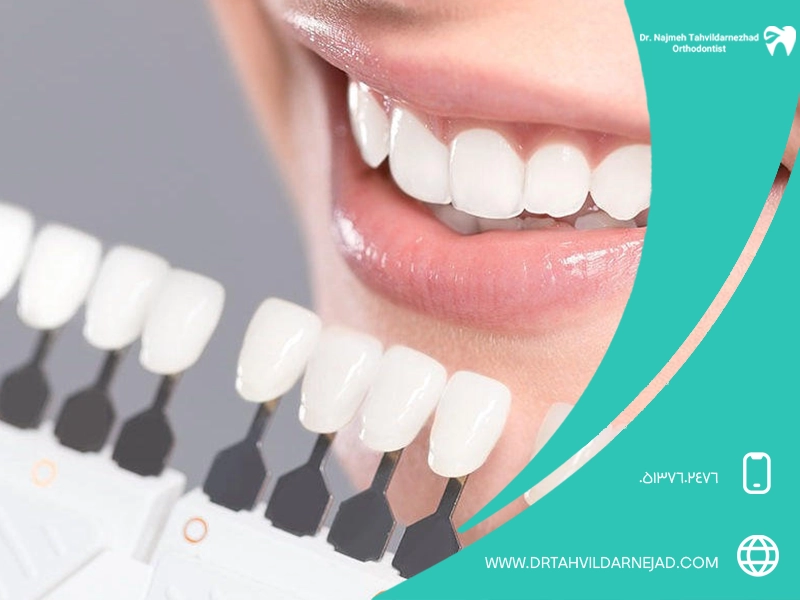
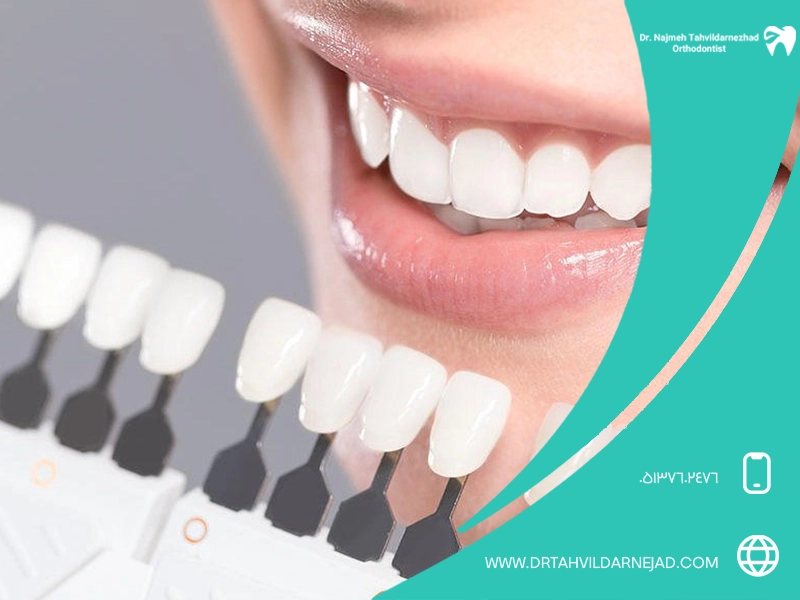
Is tooth scaling necessary for laminate and composite?
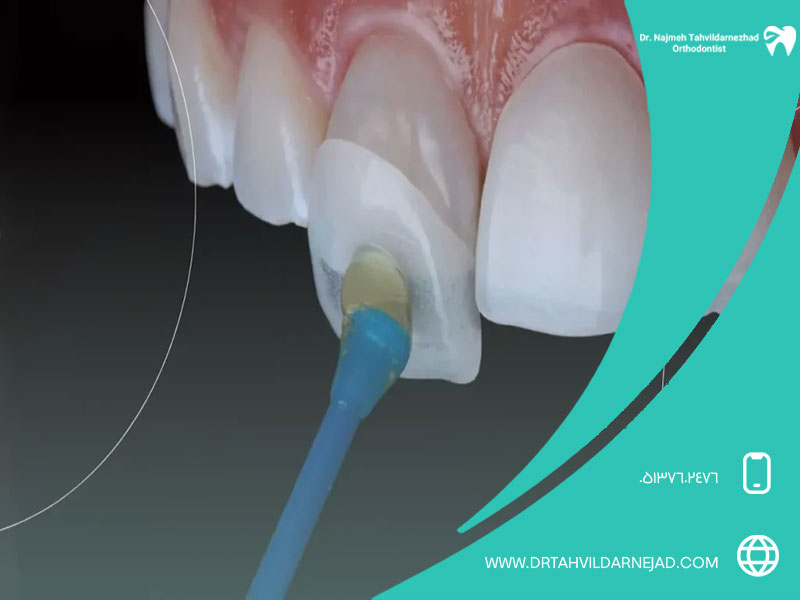
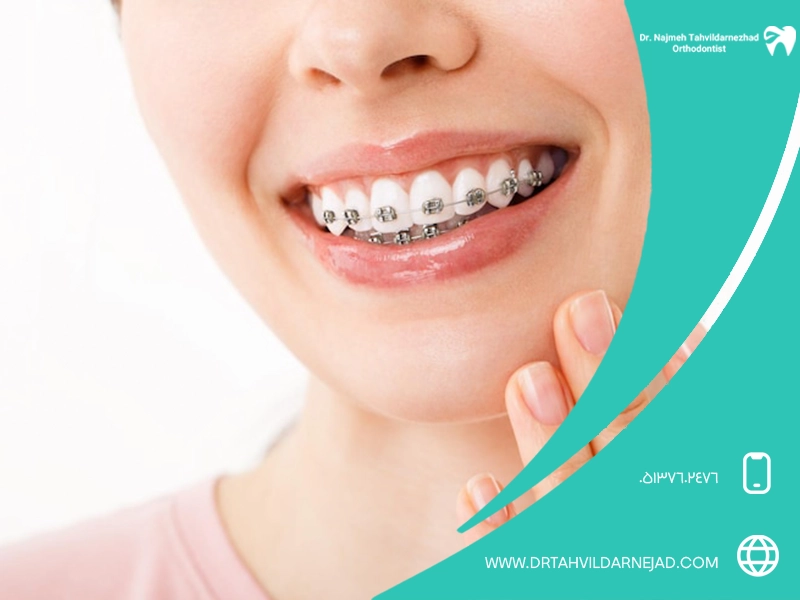
Yes, scaling before laminate or composite is a necessary and non-removable step. The presence of plaque and tartar on the tooth prevents the correct attachment of restorative materials to the surface of the tooth enamel and can cause a decrease in adhesion, premature discoloration and shortening of the life of the laminate or composite. Also, scaling helps determine the true color of the tooth so that the color of the restorative material can be selected more accurately. In case of gingivitis, the possibility of bleeding during treatment increases, which affects the final result. Therefore, scaling is the most basic measure for the success of dental cosmetic treatments.
When is the best time for dental scaling?

Read more» Differences between tooth scaling and gum scaling
The best time for tooth scaling is usually determined once every 6 months based on the amount of mass accumulation, the condition of the gums and the oral hygiene style of the person. People who have bleeding gums, bad breath, or yellowness around the gums should do scaling sooner. Timely scaling prevents the accumulation of hardened scales and prevents damage to the gums and tooth enamel. Regular scaling is the safest way to maintain teeth health.
Final word
Principle and professional cleaning not only does not damage tooth enamel, but also prevents decay, gingivitis and advanced oral diseases. The feeling of sensitivity or temporary roughness after scaling is normal and transient and is caused by the removal of the scales. Regular scaling under the supervision of a dentist plays an important role in maintaining the health and strength of teeth.
Frequently asked questions about scaling damage to tooth enamel
1. Does dental scaling damage tooth enamel?
No. When scaling is done by a skilled dentist with the right tools, its purpose is to remove plaque and scale and it does not harm the tooth enamel.
2. Why do some people feel sensitive after being charged?
After scaling, temporary sensitivity to hot and cold may occur, but this does not mean damage to the tooth enamel and usually recovers within a few days.
3. Is it important to carry out criminal investigation in an accredited clinic?
Yes. Scaling by a professional dentist with standard tools preserves the health of tooth enamel and prevents damage.
4. Does scaling cause tooth loss?
This sensation may occur, but it is usually due to the removal of hard calculus and does not mean damage to the tooth structure.
5. How often should the crime screening be done?
For most people, scaling is recommended every six months to a year to prevent plaque build-up and gum disease.